Ctrl+K
Optiland Optiland

Optiland

  • Get Started
  • Learn
  • Capabilities
  • API Reference
  • Developer Guide
  • Contributing
  • Community
  • GitHub
  • PyPI
  • Get Started
  • Learn
  • Capabilities
  • API Reference
  • Developer Guide
  • Contributing
  • Community
  • GitHub
  • PyPI

Section Navigation

  • Learning Guide
  • Introduction
    • Basic Lenses
    • Specialized Lenses
    • Reflective Systems
    • Analysis
    • OPD, PSF, and MTF
    • Optimization
    • Tolerancing
    • Freeform Optics
    • Diffractive and Generalized Phase Surfaces
    • Coatings and Polarization
    • Differentiable Ray Tracing
      • PyTorch Backend Basics
      • Gradient Calculation
      • Gradient-based Optimization
      • Solution Space Visualization
    • Real-World Projects
    • External Tools Using Optiland
    • Extended Sources
    • Non-Sequential Ray Tracing
    • Miscellaneous
  • Try Optiland in Your Browser
  • Learn
  • Introduction
  • Differentiable Ray Tracing

Differentiable Ray Tracing#

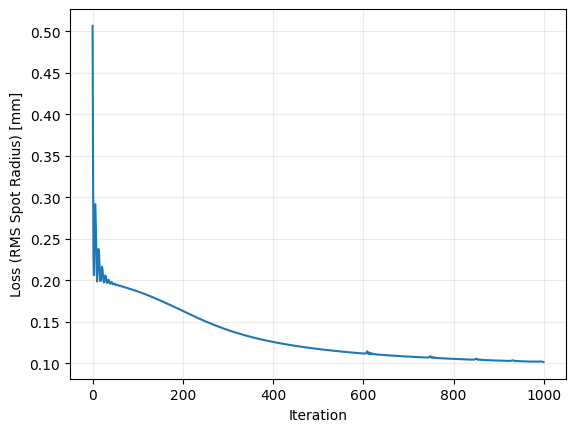
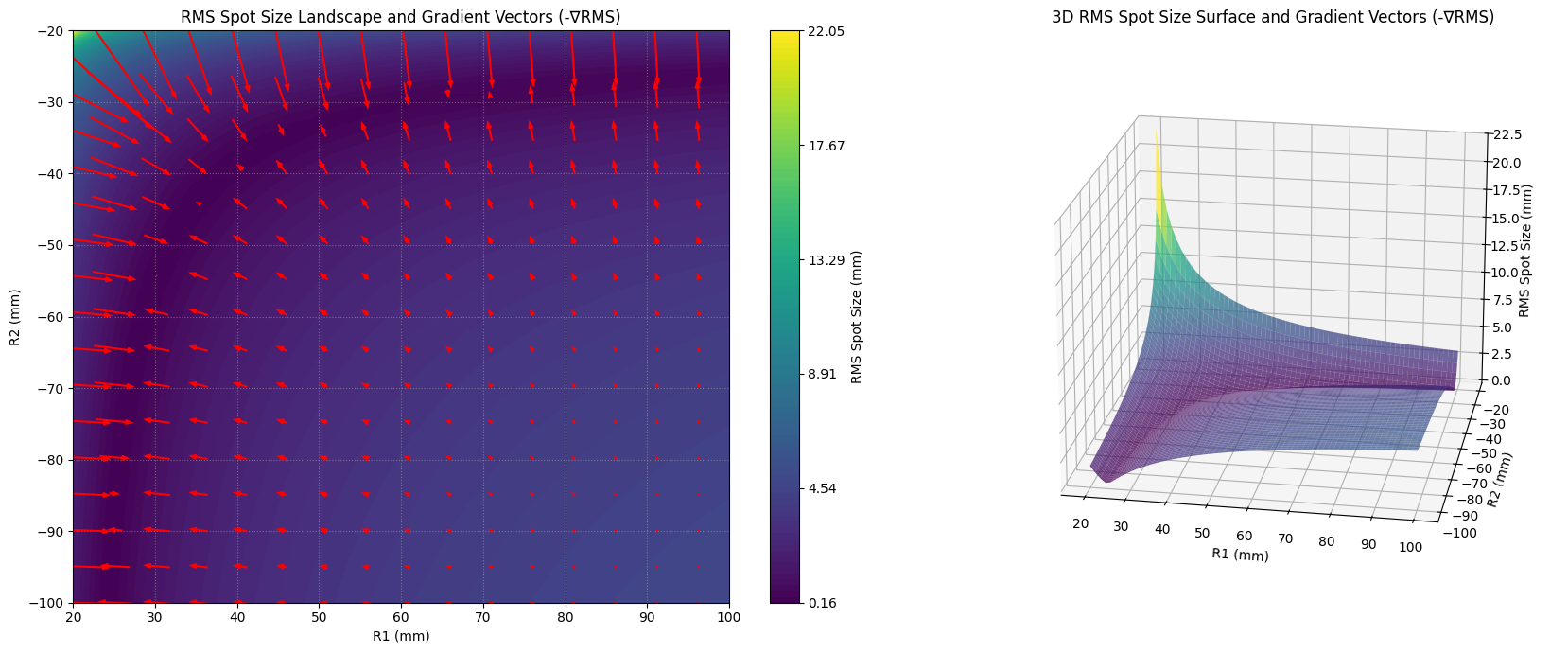
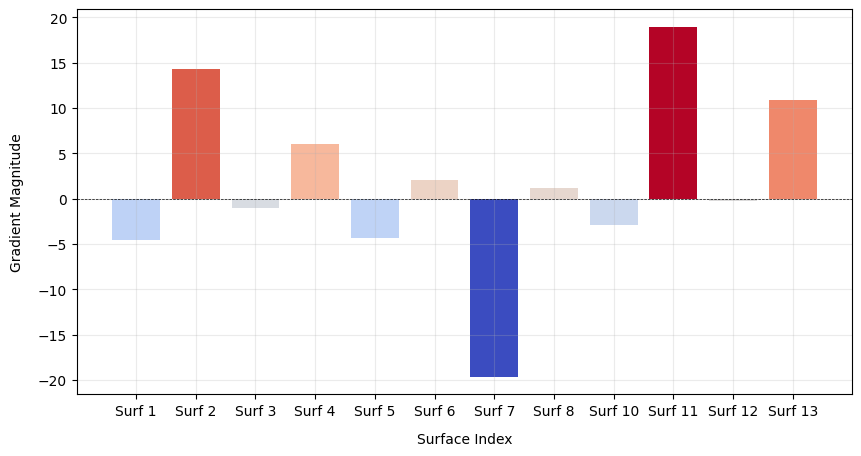
These examples demonstrate the use of differentiable ray tracing in Optiland using PyTorch as a computational backend. Differentiable ray tracing allows for the computation of gradients with respect to various parameters in optical systems, enabling advanced optimization techniques and sensitivity analysis.
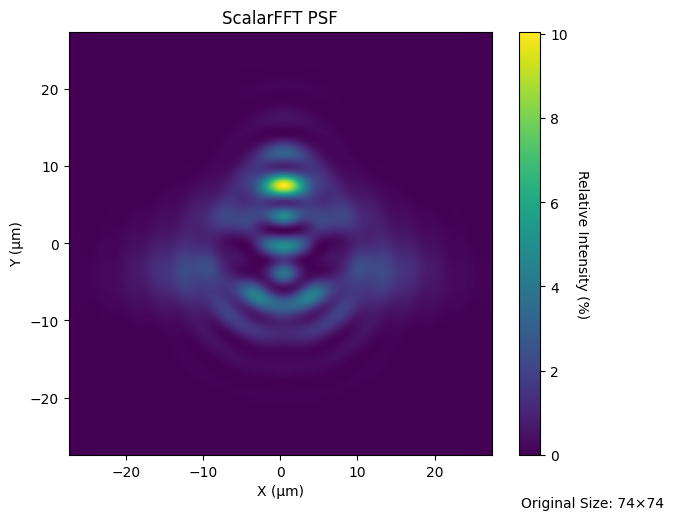
PyTorch Backend Basics
Gradient Calculation
Gradient-based Optimization
Solution Space Visualization

previous

Coatings and Polarization

next

PyTorch Backend Basics

Edit on GitHub
Show Source

© Copyright 2024-2026, Kramer Harrison & contributors.

Version 0.6.2.post52+g00c0837f · built from d673452 · page updated 2025-05-25 · build metadata

optiland.org Community GitHub PyPI Contact